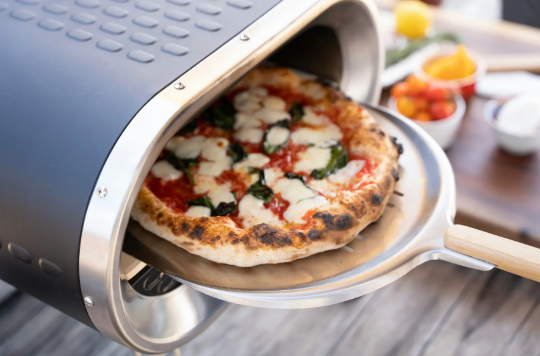

Wood pellet pizza ovens have carved out a strong reputation among backyard cooks who want authentic, high-heat results without the full complexity of traditional wood-fired cooking. They offer a middle ground, real wood flavor with more consistent, manageable operation, but buying one without understanding what to expect can lead to disappointment or a mismatched purchase.
This guide covers everything worth knowing before making a purchase, from how these ovens actually work to what separates a good buying decision from a regretful one.
How Wood Pellet Ovens Work
Unlike traditional wood-fired ovens that require manually managing logs and airflow, pellet ovens use compressed wood pellets fed automatically through an auger system into a burn pot. This design allows for more consistent temperature control while still producing genuine wood-fired flavor, since real wood is still the fuel source, just in a more manageable, granulated form.
This automation is a major reason pellet ovens have become popular with cooks who want authentic results without the steep learning curve of traditional wood-fired cooking.
See also: Sofa Cleaning Dubai for Spotless Furniture and a Healthier Home
Key Factors to Consider Before Buying
1. Maximum Temperature
Look for ovens capable of reaching at least 700-900°F for proper Neapolitan-style crust. Lower maximum temperatures may limit how authentic your results end up being.
2. Hopper Capacity
Larger hoppers mean less frequent refilling, particularly useful for cooking sessions involving multiple pizzas or extended use.
3. Build Quality and Materials
Stainless steel or heavy-gauge construction tends to hold heat more efficiently and withstand outdoor exposure better than lower-quality alternatives.
4. Ease of Cleaning
Removable ash trays and accessible burn pots make regular maintenance significantly easier over time.
5. Portability vs. Permanent Placement
Some models are designed for mobility, while others are better suited for a fixed, semi-permanent setup. Consider your available space and how often you might want to relocate the oven.
What to Expect From the Setup Process
Wood pellet ovens typically require more initial setup than gas models, including assembly, pellet loading, and an initial burn-in process before your first bake. For a detailed walkthrough of what this looks like in practice, this wood pellet pizza oven review covers the full process from unboxing to first use, useful for setting realistic expectations before your purchase arrives.
Realistic Performance Expectations
Pellet ovens generally reach cooking temperature within 15-25 minutes, faster than traditional wood-fired ovens but slightly slower than gas models. Once preheated, individual pizzas typically cook in 60-90 seconds, similar to other high-heat oven types.
Flavor-wise, pellet ovens produce a noticeably smoky, wood-fired character, though some argue it’s slightly milder than traditional log-fired ovens. For most home cooks, this trade-off is well worth the added convenience and consistency.
Common Mistakes to Avoid
A few missteps are common among first-time pellet oven buyers:
- Skipping the burn-in process, which can affect long-term performance
- Using non-food-grade pellets, which may contain unsafe additives
- Underestimating clearance requirements, leading to placement issues later
- Overfilling the hopper, which can cause feeding or ignition problems
Avoiding these mistakes early on leads to a smoother ownership experience overall.
Comparing Pellet Ovens to Other Fuel Types
Before finalizing a purchase, it’s worth comparing pellet ovens against other options to confirm it’s genuinely the right fit. This guide on the best outdoor pizza oven for your backyard breaks down how pellet, gas, and wood-fired ovens compare across performance, convenience, and maintenance, helpful context for making a confident final decision.
Is a Wood Pellet Oven Right for You?
Pellet ovens tend to be the best fit for cooks who want:
- Authentic wood-fired flavor without full manual fire management
- More consistent temperature control than traditional wood-fired cooking
- A middle ground between gas convenience and wood-fired authenticity
- A willingness to handle slightly more setup and maintenance than gas models
For those prioritizing pure convenience above all else, a gas oven may still be the simpler choice. But for cooks who want that genuine smoky flavor with more manageable operation, pellet ovens offer one of the best available compromises.
Final Thoughts
Buying a wood pellet pizza oven comes down to understanding the trade-offs involved, more setup and maintenance than gas, but significantly more manageable than traditional wood-fired cooking, all while still delivering authentic, smoky flavor. By considering factors like maximum temperature, hopper capacity, and build quality upfront, you can make a confident, well-informed purchase suited to your specific backyard and cooking style.
FAQ
1. How does a pellet oven compare to a traditional wood-fired oven?
Pellet ovens offer more consistent temperature control and easier fuel management, while still producing genuine wood-fired flavor, though sometimes slightly milder than log-fired cooking.
2. What temperature should I look for when buying a pellet oven?
Aim for models capable of reaching at least 700-900°F to achieve authentic, properly cooked pizza crust.
3. Is the setup process complicated for wood pellet ovens?
It involves more steps than gas models, including assembly and an initial burn-in process, but is straightforward once you understand each stage.
4. Can I use any type of wood pellets in these ovens?
No, always use food-grade pellets specifically designed for cooking to avoid unsafe additives found in standard heating pellets.
5. How do pellet ovens compare to gas ovens overall?
Gas ovens offer more convenience and faster setup, while pellet ovens provide more authentic flavor at the cost of slightly more maintenance and setup time.
